
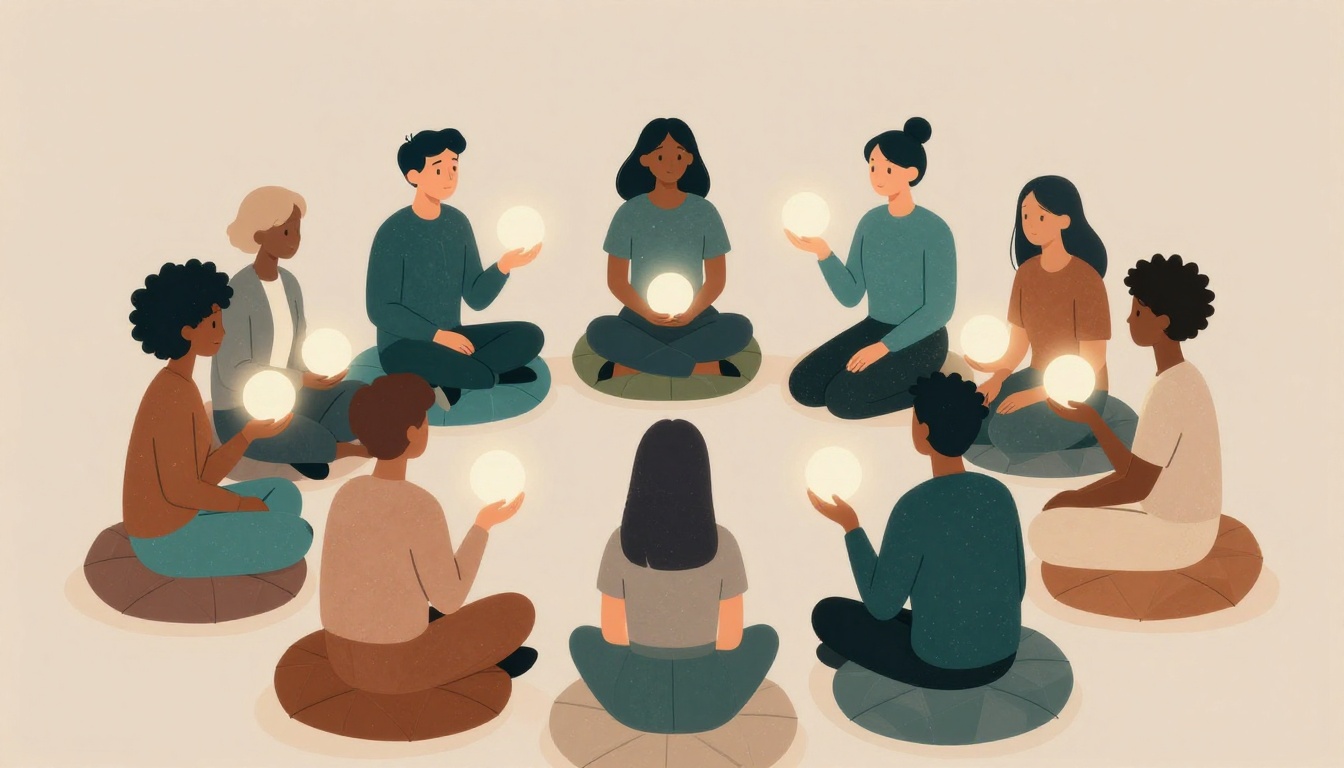
You know the feeling. A meeting goes quiet after someone asks a tough question. People glance at each other, but no one speaks. Ideas stay hidden. Mistakes get buried. Innovation stalls.
That silence is a symptom of low psychological safety. And it's costing your team more than you think.
Psychological safety is the shared belief that a team is safe for interpersonal risk-taking. It means you can ask a question, admit a mistake, or challenge an idea without fear of embarrassment or retribution. Research from Harvard Business School shows this environment is crucial for team success and innovation.
But how do you actually build it? The answer might surprise you: team narratives.
According to research cited in the article, what percentage jump in innovation do organizations see when they prioritize psychological safety?
Select one answer.
Why storytelling creates psychological safety
Stories are how humans make sense of the world. When teams share narratives, they build trust, create shared meaning, and lower interpersonal threat.
A psychologically safe work environment is one where individuals feel able to speak up, challenge the status quo, and take calculated risks. Storytelling helps create that environment by:
- Normalizing vulnerability. When a leader shares a story about a mistake they made, it signals that it's safe to be imperfect.
- Building empathy. Hearing a colleague's personal story helps you see them as a whole person, not just a role.
- Creating shared language. Team stories become shorthand for values, expectations, and lessons learned.
3 narrative exercises to build psychological safety
Try these three exercises with your team this week. Each takes 15–20 minutes.
1. The "failure resume"
Ask each team member to write a short story about a professional failure they experienced. What happened? What did they learn? How did they grow?
Have each person share their story with the group. No interruptions. No judgment. Just listening.
This exercise normalizes failure and shows that mistakes are learning opportunities, not career-ending events.
2. The "origin story"
Invite team members to share a 3-minute story about why they do what they do. What moment or experience led them to this work?
This builds empathy and reveals shared values. When you understand someone's "why," you're more likely to trust their intentions.
3. The "appreciation circle"
At the end of a project or sprint, go around the room. Each person shares a specific story of something another team member did that helped the team succeed.
This reinforces positive behaviors and builds a culture of recognition. It also makes it safe to celebrate wins without bragging.
How leaders set the tone
Your behavior as a leader matters more than any exercise. Here's what research says works:
- Frame work as a learning process. Say "we're figuring this out together" instead of "get it right the first time."
- Invite participation actively. Ask quiet team members directly for their input. Use round-robin formats so everyone speaks.
- Respond productively to feedback. When someone challenges you, thank them. Don't get defensive.
- Admit your own mistakes. Share a story about something you got wrong. This gives others permission to do the same.
According to the Center for Creative Leadership, these eight steps help leaders build greater psychological safety in the workplace.
The payoff: higher performance and innovation
Teams with strong psychological safety consistently outperform others. Google's Project Aristotle found it was the #1 predictor of team effectiveness.
When people feel safe to speak up, you get:
- More diverse ideas and perspectives
- Faster problem-solving
- Fewer preventable mistakes
- Higher employee engagement and retention
One study found that organizations prioritizing psychological safety see a significant jump in innovation and a drop in turnover.
Start today
You don't need a big budget or a consultant to start building psychological safety. You just need to tell better stories.
Pick one exercise from this list. Try it at your next team meeting. See what happens.
The silence in your meetings isn't a sign of agreement. It's a sign of fear. And the best way to break that fear is with a story.
How the Resident Expert Can Help
Building psychological safety through team narratives is both an art and a science. Ferran Salgado Serrano, a writer and consultant at Inicio, blends literary craft with organizational facilitation to help teams discover and share the stories that build trust and alignment. Whether you need a workshop, a coaching session, or a narrative strategy for your team, Ferran's dual practice offers a unique approach to creating psychologically safe environments where everyone can contribute their best work.